
Troubleshooting Blockages in Pneumatic Conveying Lines: Expert Tips
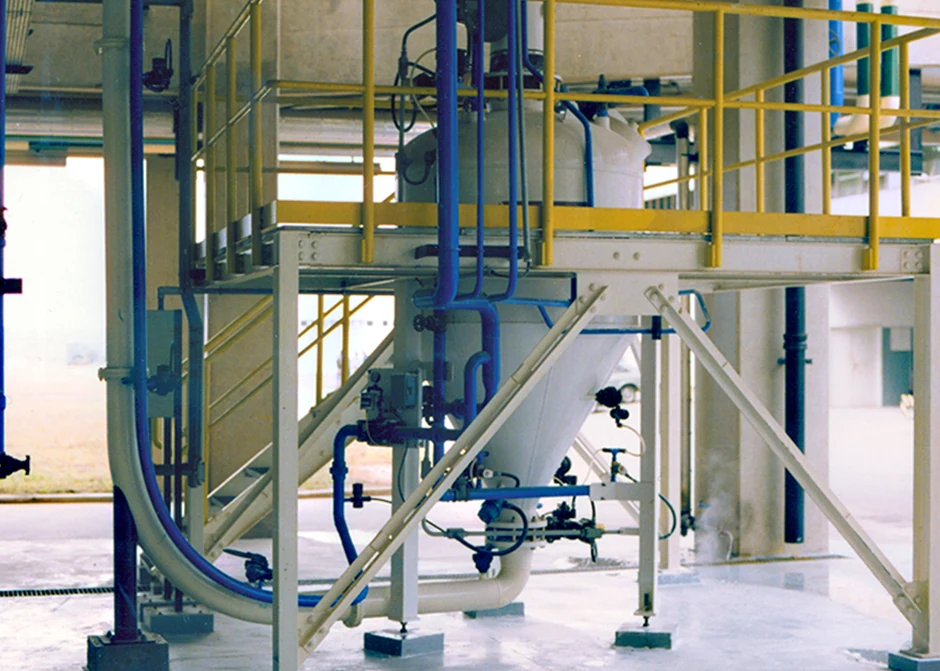
Pneumatic conveying systems are designed for efficiency, reliability, and cleanliness, but even well-engineered systems can experience blockages over time.
When material stops moving, production stops and unplanned downtime follows.
If you’re searching for how to fix pneumatic conveyor blockages, you’re not alone. Pneumatic conveying line blockage is one of the most common issues faced by process engineers across food, chemical, plastics, and bulk material handling industries.
In this guide, we break down why blockages happen, how to unclog a pneumatic conveying system safely, and most importantly, how to prevent blockages in conveying lines before they disrupt operations.
What Causes Blockages in Pneumatic Conveying Lines?
The most common causes of unreliable pneumatic conveying systems are:
1. Improperly designed conveying system
Pneumatic conveying systems are very flexible devices and can handle a wide variety of materials, but the performance is very much material dependent.
For example, a sand system that can achieve 10 tons/hour may only be able to achieve 3 tons/hour of precipitated calcium carbonate. This same system may not even be able to convey a sticky titanium dioxide.
This is why it’s crucial to understand the material to be conveyed, and to conduct pneumatic convey test trials for the specific material to determine the pressure, rate, and air consumption constants for this material.
If convey tests were not conducted, and the assumptions about the conveyed material are incorrect, then the convey system will not perform as predicted.
An improperly designed conveying system is often the result of inexperience. At first glance, a dense-phase system appears straightforward; it includes a pressure vessel (transporter), valves, conveying pipe, bends, pipe couplings, and a dust filter. On the surface, it seems simple.
In reality, however, each component requires careful selection. What size should the transporter be? What diameter conveying pipe is appropriate? How large should the dust filter be? Which types of bends and couplings will perform best?
These decisions are critical, as they determine whether the system operates successfully or fails altogether.
2. The conveying system is not operating as intended
When a conveying system is not operating as intended, the cause usually falls into 4 categories:
- The conveying system is conveying a different material than it was designed for. This could be a completely different material (designed to convey sugar is conveying salt). Or it could be the same material, but in a different form (particle size, bulk density, particle shape, moisture content, etc.).
- The conveying system was extended to convey a longer distance or to additional destinations.
- The convey system is conveying at a higher rate than it was designed for
- The conveying system may have been modified by replacing original components with parts that were never intended in the initial design. For example, a diverter valve might have been added, a bend could have been replaced with an unsuitable design, or an isolation valve may have been installed in the conveying pipe.
3. Improper compressed air supply
Improper compressed air supply commonly falls into 2 different categories:
- Wet compressed air: This is the most common problem we see when dealing with pneumatic conveying system problems. The compressed air system was installed and performed well. But over time, due to lack of maintenance or increased plant demands for compressed air, the air quality decreases. And as we all know, water and powder do not play well together in pneumatic conveying.
- Low compressed air pressure: This not only affects the conveying. It also affects the humidity of the compressed air, the performance of air actuated valves, the performance of self cleaning dust filters, and can cause freezing when sub-freezing temperatures are present.
How to Fix Conveyor Blockages Safely and Effectively
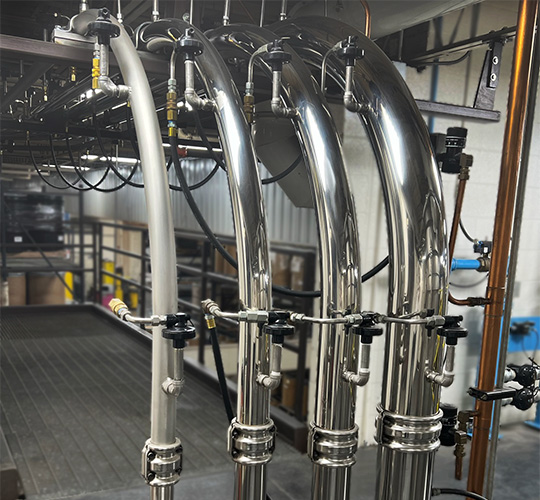
So, you have a pneumatic conveying system and it’s not reliable. It’s plugging often. There are 2 immediate solutions to prevent plugging:
- Use more air (increase air to material ratio)
Or
- Apply leverage (Air Saver/booster)
Or the long-term solution: evaluate the conveying system design. This means performing a system audit with a reputable conveying system supplier/designer and getting recommendations for system modifications.
Let’s now discuss the solutions in detail:
Immediate Solution: Increase the Air to Material Ratio
To reduce the chance of plugging, we use more compressed air to convey the material. The drawback is that this can lead to more wear when conveying abrasive materials, more degradation when conveying fragile materials, and more compressed air consumption (power) to convey the material.
Immediate Solution: Apply Leverage (Air Saver/Booster)
With systems that use Air Savers (or boosters), in some cases adding more air in the location of the plug can solve the problem. Or, an additional air saver may be added between existing air savers, right where the material plug is forming.
The long term solution: system audit
For this long-term option, there are many possible outcomes ranging from replacing a component or 2, to the replacement of the entire pneumatic convey system.
In fact, a very common reason for replacement is that the convey pipe is simply too small. This is a very common problem that seems counter intuitive.
Why would a convey system that operates too fast cause plugging? Some materials compact under pressure, and when these materials are traveling too fast, and approach a bend, the rapid deceleration in the bend causes the material to compact and form a plug that is very difficult to release. Usually, this type of plug is observed just before the bend.
Preventing Blockages in Conveying Lines: Best Practices
The most effective pipeline clogging solutions focus on prevention.
1. Test the Material to be Conveyed
Choose a supplier who has a full-scale test facility that can study your material and capture the critical conveying constants that enable a reliable system design
2. Choose a Supplier with Experience Specifically in Pneumatic Conveying
With the wide variety of materials that can be conveyed pneumatically, it’s important to find a supplier with years of experience.
Does your supplier have at least 20 years of experience producing pneumatic conveying systems? Does your supplier have multiple pneumatic conveying system designs? Would you choose a mechanic who has 1 plier or a full toolbox?
3. If Plugging is a Concern, then a Pneumatic Conveying System that Uses Air Savers (or Boosters) is a Necessity
When it comes to difficult to convey materials, a system design that utilizes Air Savers (boosters) is a must. And the closer they are spaced, the better. This is “leverage” in pneumatic conveying terms.
The reason is simple: because with Air Savers, the maximum distance needed to convey is between one Air Saver to the next.
Reducing Blockage Risk and Energy Use with Dynamic Air DC-5® Air Savers
One often-overlooked contributor to conveying blockages is inefficient air management. Excess air doesn’t just waste energy, it destabilizes flow conditions that lead to plugging.
Dynamic Air’s DC-5® Air Saver helps address this challenge by:
- Automatically regulating conveying air to the minimum required level at the precise location where it’s needed
- Stabilizing pressure along the convey pipe
- Prevention of slug merging along the convey process
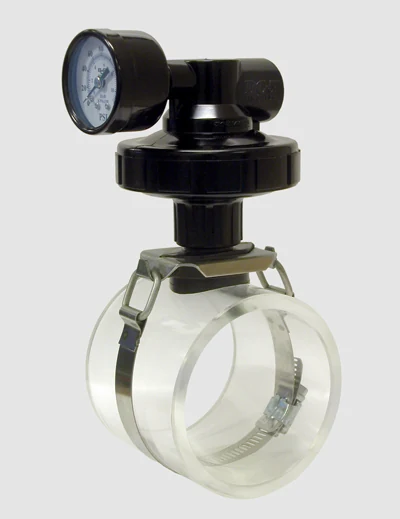
By maintaining consistent, optimized airflow, the DC-5® Air Saver helps prevent blockages in conveying lines while significantly reducing compressed air consumption.
Keeping Your Conveying System Running Smoothly
Understanding how to fix conveyor blockages starts with identifying root causes, but long-term reliability comes from proper system design.
Whether you’re dealing with recurring pneumatic conveying line blockage or looking to prevent future downtime, Dynamic Air’s expertise and solutions can help keep your system running smoothly, efficiently, and blockage-free.
Contact us to learn more today.
Frequently Asked Questions: Pneumatic Conveying Line Blockages
Can low air to material ratios cause plugging in pneumatic pipelines?
Yes. If we take this to the extreme, would ZERO SCFM convey a material? Obviously not. So, there is some amount of air (>0) that can convey a material, and it’s important to understand what that value is.
What are the best solutions for recurring pipeline clogging?
The most effective pipeline clogging solutions focus on prevention. This includes a properly designed convey system, sufficient air supply pressure and air quality, and operating the conveying system as it was intended.
How can blockages in conveying lines be prevented?
Through proper system design that begins with understanding and testing the material to be conveyed
Can Air Savers (boosters) help reduce pneumatic conveying blockages?
Yes. Devices such as our DC-5® Air Saver, help reduce blockages by applying leverage where it’s needed.
What are early warning signs of a pneumatic conveying line blockage?
Early warning signs include rising system pressure, reduced material throughput, unstable conveying rates, and frequent system alarms. Addressing these indicators early can prevent a full blockage and minimize downtime.
Let’s Find the Right Solution for You
Contact usPartner with Dynamic Air, the industry leader in providing reliable, innovative solutions. Our team of experts is ready to understand your unique requirements and design customized solutions tailored to your specific needs, whether it’s pneumatic conveying, equipment manufacturing, or other material handling challenges. Experience the Dynamic Air difference and unlock the potential of seamless material flow, enhanced efficiency, and optimized productivity. Contact us today to discuss your project.